Outdoor events look effortless in photographs.
A glass-fronted structure glowing at dusk. Guests gathered on manicured lawns. Music drifting across open space. Everything appears calm, curated and intentional.
What you don’t see is the pressure underneath it all. Access routes, arrival waves, ground stability, timing and congestion control. The invisible framework.
When events are built from scratch on open land, nothing exists by default. There is no car park designed for 150 vehicles. No covered entrance protecting guests from rain. No obvious pedestrian flow. Every detail must be engineered.
That’s why transport planning isn’t secondary. It’s structural.
Open Space Changes Everything
Traditional venues are built to receive people. They have designated entry points, parking areas, traffic flow systems and established infrastructure.
Private estates, farmland and temporary event grounds don’t.
These locations are chosen because they offer freedom. Freedom of layout. Freedom of design. Freedom from the constraints of traditional venues.
But freedom creates responsibility.
When an event structure is installed on open ground, it becomes the centre of gravity for everything else. Lighting, catering, staging, power supply, waste management, security and crucially, arrival strategy.
If 120 guests independently attempt to navigate country roads within a 40 minute window, the stress begins before anyone has stepped inside.
Arrival Sets the Tone
There’s a psychological shift that happens the moment a guest reaches an event.
If they arrive flustered, unsure where to park, scanning for signage while blocking a narrow access lane, that tension follows them in.
If they arrive smoothly, step off organised transport and are guided directly toward a well-lit entrance, the event feels controlled before it even begins.
The difference is not aesthetic. It’s logistical.
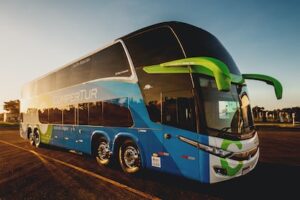
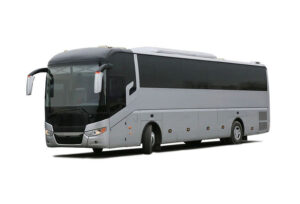
Coordinated coach hire doesn’t just move people. It controls the emotional temperature of arrival.
The Illusion of “Plenty of Space”
One of the most common assumptions in outdoor event planning is that open land equals unlimited capacity.
It doesn’t.
Fields become bottlenecks quickly when cars attempt to park in soft ground. When access lanes are too narrow for two way traffic. When service vehicles compete with guest vehicles. When pedestrian routes cross vehicle pathways.
What appears expansive on paper becomes fragile under pressure.
Structured transport removes unpredictability. Instead of dozens of vehicles attempting to navigate unfamiliar terrain, arrival becomes controlled and phased.
This is especially important when working with experienced event structure providers such as Casablanca Hire, whose installations are designed with precise layout planning. Access routes, flooring systems and service corridors are mapped deliberately. Transport should follow that same level of intention.
Rural Events: Beauty with Consequences
Countryside weddings and corporate retreats are popular for good reason. They feel exclusive and atmospheric.
But rural access roads are rarely designed for volume. They curve sharply. They narrow unexpectedly. They lack lighting. They offer limited turning space.
One delayed vehicle can hold up an entire queue.
When transport is centralised, those risks shrink. Professional drivers understand access constraints in advance. Drop off points are agreed before the event. Departure times are staggered.
The countryside remains peaceful. The event remains controlled.
Corporate Optics and First Impressions
For corporate functions, perception matters as much as execution.
A high end product launch or networking event held in a temporary structure can look extraordinary inside. Branded lighting, curated furniture and polished flooring.
But if the exterior is lined with scattered vehicles and congestion at the gate, the visual impact weakens instantly.
Group transport preserves presentation. It keeps the perimeter clean. It reinforces professionalism. It signals planning.
In corporate settings, those signals matter.
Timing Is a Strategic Tool
Uncoordinated arrivals create service disruption.
Catering teams struggle to predict when guests will actually be seated. Welcome drinks sit untouched. Photographers rush to capture key moments before late arrivals slip in.
When transport is scheduled, timing becomes deliberate.
Guests arrive in waves that match service flow. Staff allocation becomes accurate. Speeches start on time. The entire evening feels measured instead of reactive.
For outdoor events, where everything from lighting cues to generator load depends on sequence, that predictability is invaluable.
The Departure Nobody Talks About
Arrivals get attention. Departures often don’t.
Late night exits from rural sites introduce risk. Guests are tired. Roads are dark. Alcohol may be involved.
Without organised transport, cars leave gradually and unpredictably, sometimes disturbing nearby residents or creating congestion long after the event should have ended quietly.
Coordinated departures protect both guests and reputation. They allow events to conclude cleanly.
When Structure and Movement Align
The most successful outdoor events treat infrastructure and movement as one system.
The layout determines the entrance.
The entrance determines the drop off.
The drop off determines the access route.
The access route determines timing.
When these decisions happen in isolation, friction appears later.
When they happen collaboratively between structure providers and transport planners, the result is simplicity.
Guests rarely notice good logistics. They only notice bad ones.
The Competitive Advantage
For coach hire companies, positioning transport as part of the strategic planning conversation, not just a booking service, elevates the brand.
Instead of asking how many passengers, ask where the entrance is positioned. Ask about ground condition. Ask about service corridors. Ask when catering is scheduled.
That shift moves transport from utility to expertise.
And in outdoor events, expertise is what clients pay for.
Effortless Is Engineered
The most beautiful outdoor events share one common trait. Nothing feels improvised.
The structure stands firm. The lighting activates on cue. Guests move without hesitation. There are no traffic jams at the gate. No confusion about where to go.
It looks natural.
But it isn’t accidental.
It’s the result of early planning, collaborative thinking and respect for the unseen details, especially the movement of people.
Because in the end, creating a space is only half the job.
Getting everyone there and home again is what makes it complete.